In a recent feature, Michael Pring, Global Client and Development Director at Verve, joins Diageo’s Chief Innovation Officer Mark Sandys to explore why participation, rituals, and shared experiences are becoming marketing’s most valuable assets.
Verve, part of The Opus Group family of agencies, was recently featured in an article by Creative Salon examining how brands are adapting to an environment flooded with content and AI-driven messaging.
The story explains how the traditional marketing model of buying mass reach is shifting toward earning active consumer engagement. As media fragments and attention declines, the true battleground for brands has become winning a share of people’s time and creating spaces where consumers actively live the brand.
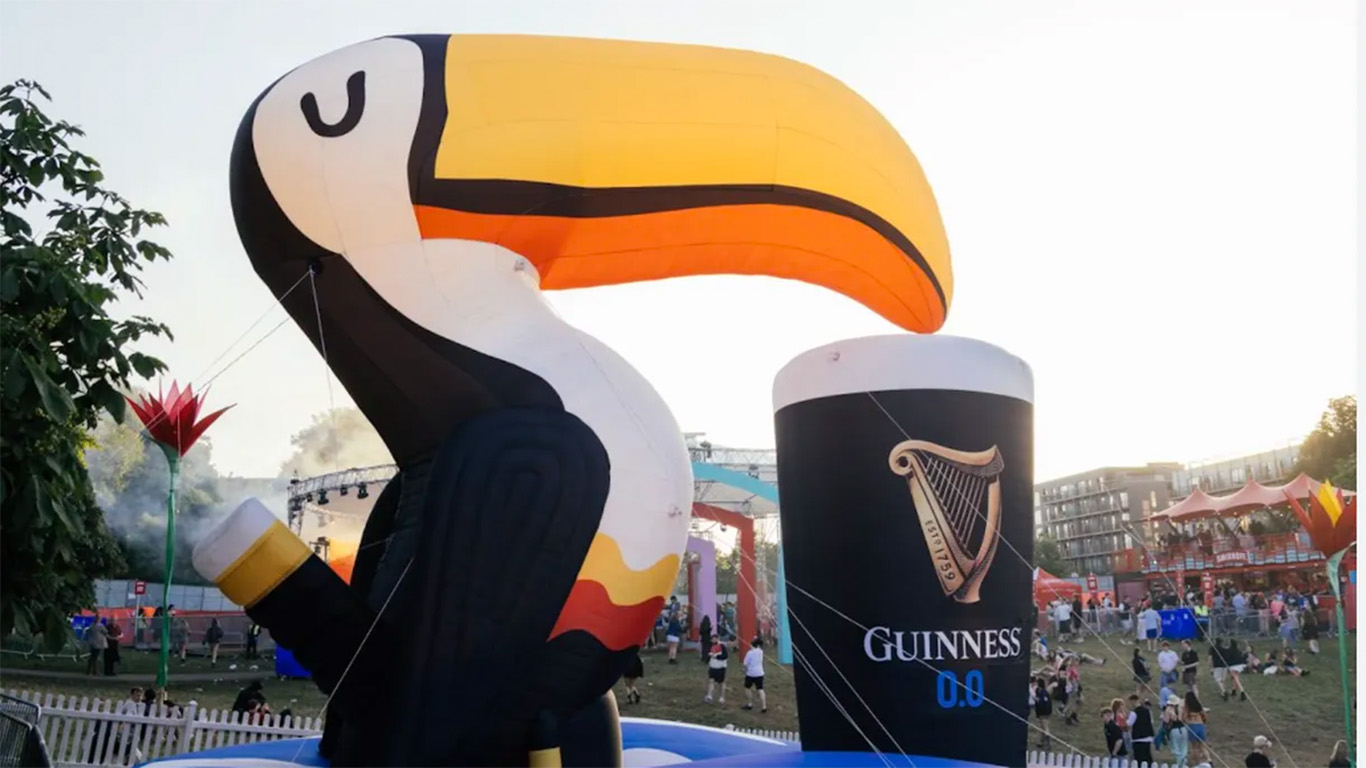
"We are seeing a shift from 'social-first' to 'experience-first' in the way brands are building connections with consumers," shares Michael. "Participation can create very intense emotional connections. That's why live experiences are having such a moment. They create powerful emotional connections that drive loyalty, attention, and engagement all at once."
The article also highlights the cultural impact of real-world experiences, noting that while culture is often discussed through social media, it actually begins in communities, festivals, and shared rituals.
"Culture is often discussed through the lens of social media, but culture actually happens in real life," Michael notes. "It happens in rituals, festivals, sporting events, communities, and shared experiences. Experiences are where many cultural behaviours begin."
To demonstrate the true value of these live moments, the feature outlines Verve’s Triple Impact Model, which goes beyond simple attendance numbers to assess commercial outcomes, experiential impact, and long-term brand affinity. Rather than viewing reach and experience as opposing forces, the focus is on designing experiences that inherently build scale because people naturally want to share them.
As brands look to the future, the goal will be striking the right balance in a world where consumers are increasingly overwhelmed by content.
"We've reached a point where content and reach are effectively infinite, but consumers are finite," says Michael. "The risk is that we get so obsessed with reach, scale, and efficiency that we end up pushing content at people who are increasingly running away from it, even when that content is good. Whereas in the experiential world, they're running towards us."